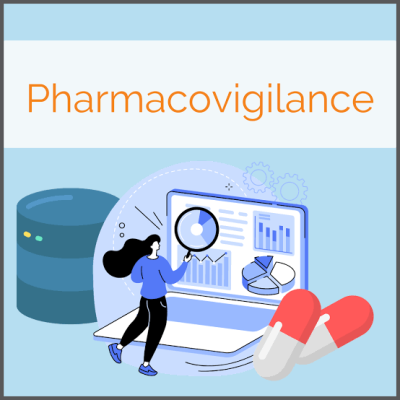
Pharmacovigilance is the science and practice of detecting, assessing, understanding, and preventing adverse effects or any other drug-related problems. It plays a crucial role in ensuring the safety and effectiveness of medicines throughout their lifecycle.
This comprehensive course introduces learners to the principles of pharmacovigilance, adverse drug reaction (ADR) reporting, drug safety monitoring, signal detection, risk management, and regulatory guidelines followed by national and international health authorities. Students will gain practical knowledge of case processing, medical coding, literature surveillance, aggregate reporting, and pharmacovigilance databases used in the pharmaceutical industry.
The course is designed for pharmacy, life sciences, nursing, medical, and biotechnology students, as well as professionals seeking a career in drug safety and clinical research. Through real-world case studies and industry-oriented training, participants will develop the skills required to contribute effectively to patient safety and regulatory compliance.
What You Will Learn
-
Fundamentals of Pharmacovigilance
-
Drug Development and Drug Safety
-
Adverse Drug Reactions (ADR)
-
Individual Case Safety Reports (ICSR)
-
Signal Detection and Risk Assessment
-
Risk Management Plans (RMP)
-
Medical Coding (MedDRA & WHO Drug Dictionary)
-
Pharmacovigilance Databases and Software
-
Literature Monitoring
-
Global Regulatory Guidelines (WHO, FDA, EMA, CDSCO)
-
Post-Marketing Surveillance
-
Good Pharmacovigilance Practices (GVP)
-
Career Opportunities in Pharmacovigilance
This course combines theoretical concepts with practical applications, preparing learners for entry-level and advanced roles in pharmacovigilance, regulatory affairs, and clinical research while contributing to improved patient safety worldwide.